Tabla de contenidos
Intermodal transportation is one of the foundations of modern global trade, yet the term is often confused with multimodal transport and misunderstood in practice. This guide explains what it is, how it works, the modes involved, how it differs from multimodal, and where the same logic applies to moving people, not just freight.
What is intermodal transportation?
Intermodal transportation is the movement of freight using two or more different modes of transport, such as truck, rail, ship, or air, within a single coordinated journey, without handling the cargo itself when switching between modes. The cargo stays inside the same standardized container from origin to destination.
That last detail is what makes it “intermodal.” Instead of unloading goods every time they move from a ship to a train or a train to a truck, the entire sealed container is simply lifted and placed onto the next vehicle. This minimizes handling, reduces the risk of damage and theft, and keeps the whole supply chain moving efficiently.
How does intermodal transportation work?
The power of intermodal transport comes from the standardized container, typically 20, 40, or 53 feet long, that every mode is built to carry. A typical journey follows a clear sequence of handoffs:
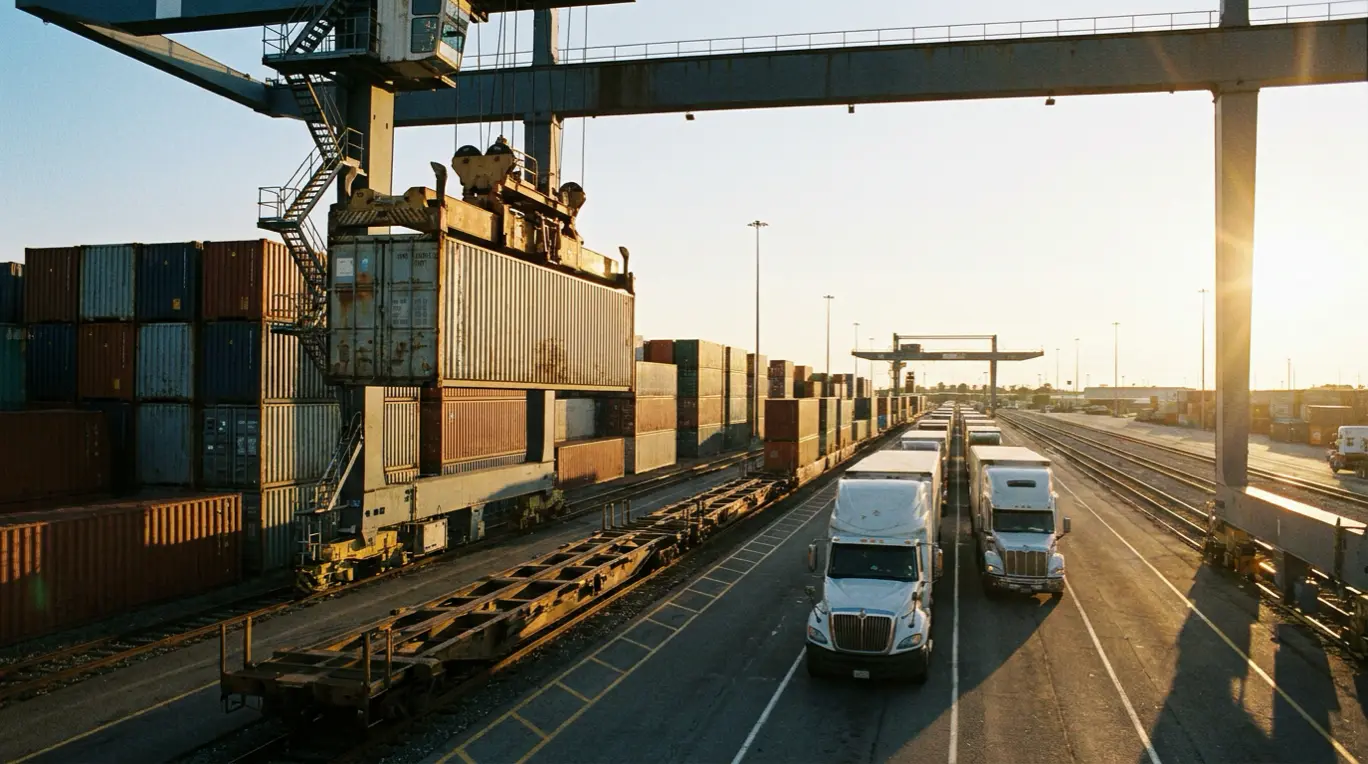
- Pickup at origin. A truck collects the loaded container from the shipper’s facility and hauls it to an intermodal terminal, rail yard, or port. This first leg is often called drayage.
- Long-haul transfer. At the terminal, cranes lift the container onto a railcar or vessel for the long-distance portion of the trip, by rail across land or by ship across water.
- Final delivery. Once it reaches the destination terminal, the container is transferred back onto a truck for last-mile delivery to its final stop.
At no point is the cargo itself unloaded and reloaded. Only the container moves between vehicles, which is exactly what keeps costs and damage down.
The modes used in intermodal transportation
Intermodal transport combines the strengths of each transport mode, choosing the most efficient one for each leg of the journey:
- Truck (road): the most flexible mode, used for first-mile and last-mile movement between facilities and terminals.
- Rail: highly cost-effective and fuel-efficient for long-haul inland distances.
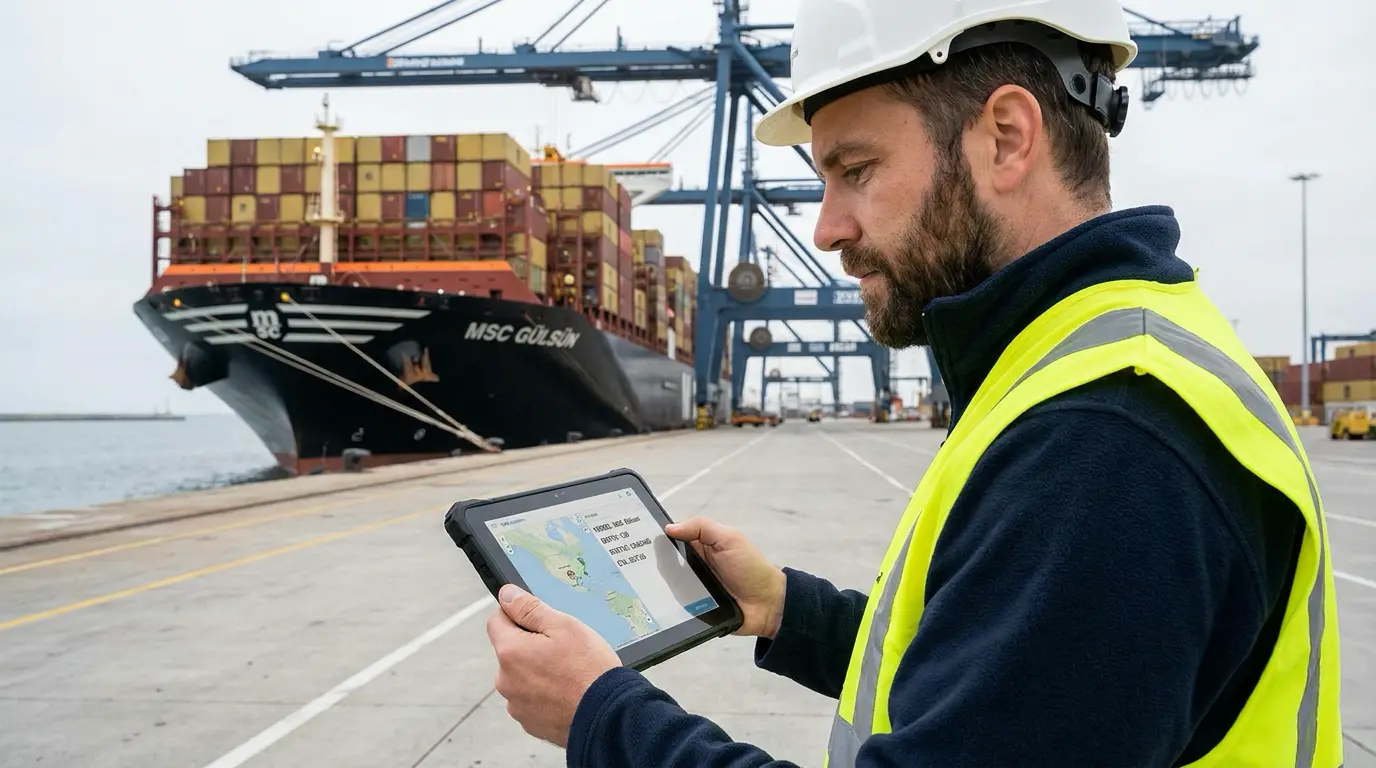
- Ocean (sea): the backbone of international trade, moving huge volumes of containers between continents at low cost per unit.
- Air: the fastest mode, used when speed outweighs cost for time-sensitive cargo.
- Barge: inland waterway transport, an efficient option where rivers and canals connect to ports.
The art of intermodal logistics lies in selecting the right combination so that each leg plays to its mode’s advantage. That coordination challenge is exactly what a transport management system helps operators handle.
Intermodal vs. multimodal transportation
These two terms are constantly mixed up, but the difference is simple and it comes down to contracts, not vehicles. Both move cargo using several modes of transport. What separates them is who takes responsibility.
With intermodal transport, the shipper signs a separate contract for each leg of the journey, one with the trucking company, one with the rail carrier, one with the ocean carrier, and so on. This means more coordination, but also more flexibility and control over pricing on each segment.
With multimodal transport, a single carrier, known as a Multimodal Transport Operator (MTO), takes responsibility for the entire journey under one contract and a single bill of lading. It is simpler to manage, with one point of contact, but offers less flexibility and can cost more.
In short: intermodal gives you control and several contracts; multimodal gives you simplicity and one contract. Neither is universally better; the right choice depends on how much coordination a shipper’s team can handle.
Benefits and challenges of intermodal transportation
Intermodal transport became the backbone of global trade for good reasons, but it comes with trade-offs worth understanding.
The main benefits include lower costs, since each leg uses the most economical mode; stronger cargo security, because the sealed container is never opened in transit; and a smaller carbon footprint, as rail and ocean move far more weight per unit of fuel than trucks alone. It also offers flexibility, connecting a wide network of terminals, ports, and distribution centers.
The challenges are real too. Intermodal depends heavily on terminal infrastructure, which varies in quality and availability. The multiple handoffs can add transit time compared with direct trucking, and each transfer point introduces a possible delay. Coordinating several carriers and contracts also demands more administrative effort.

Intermodal transport examples
The clearest way to understand intermodal is to see it in action:
- Imported electronics: goods are loaded into a container in Shanghai, shipped by sea to Los Angeles, moved by rail across the country, and delivered by truck to a regional distribution center, all in the same container.
- Domestic freight: a container is loaded at a warehouse, trucked to a rail yard, carried by train across long inland distances, and trucked again for final delivery.
- Export grain: a producer moves grain from an inland farm by rail to a port, then by ship to an overseas buyer.
In each case, the principle is identical: the cargo stays put inside its container while the modes around it change.
Intermodal mobility for passengers
The intermodal concept is not limited to freight. The same idea, combining modes into one seamless journey, is exactly how people travel too. A traveler might fly into a city, take a bus to another region, and finish with a local taxi, all as one connected trip.
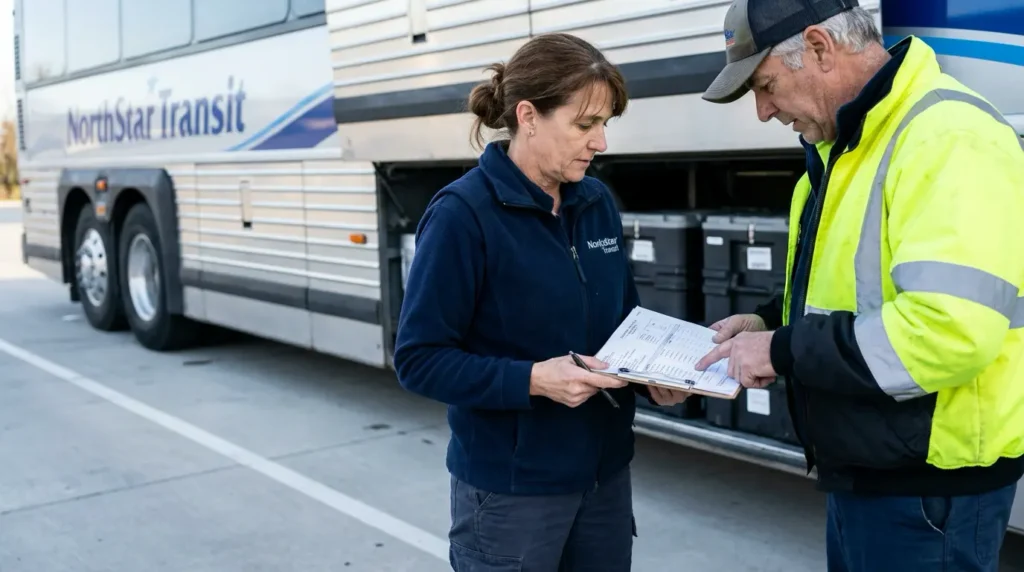
For an interprovincial bus operator, this matters more than it might seem. The bus is often a critical link in a passenger’s intermodal journey, connecting airports and major terminals to cities that rail or air do not reach. Operators who coordinate schedules, ticketing, and connections well become the reliable middle leg that makes the whole trip work. As passenger transport grows more connected, managing those links with the same precision as freight logistics is what sets professional operators apart.
Frequently asked questions
What is the difference between intermodal and multimodal transportation?
Both use multiple transport modes. With intermodal, the shipper signs a separate contract for each leg. With multimodal, a single operator (the MTO) manages the entire journey under one contract and one bill of lading.
What are examples of intermodal transportation?
A common example is a sealed container shipped by ocean, then moved by rail across land, and finally delivered by truck, without the cargo ever being unloaded between modes.
What modes are used in intermodal transport?
The main modes are truck, rail, ocean, and air, sometimes including inland barge. Trucks typically handle first-mile and last-mile legs, while rail and ocean cover the long-haul portions.
Why is it called intermodal?
Because the freight moves between (“inter”) multiple transport modes while staying in the same container, the system is defined by the transfer between modes rather than any single one.
Intermodal transportation is the invisible system that makes global trade affordable, combining the strengths of truck, rail, and ship into one container journey. Whether the cargo is freight or, by extension, passengers connecting across modes, the winners are the operators who coordinate every leg without dropping the ball at the handoffs. For passenger transport companies, that coordination is its own discipline. See how the QuatroBus platform helps bus operators manage routes, tickets, and connections as one seamless operation.